
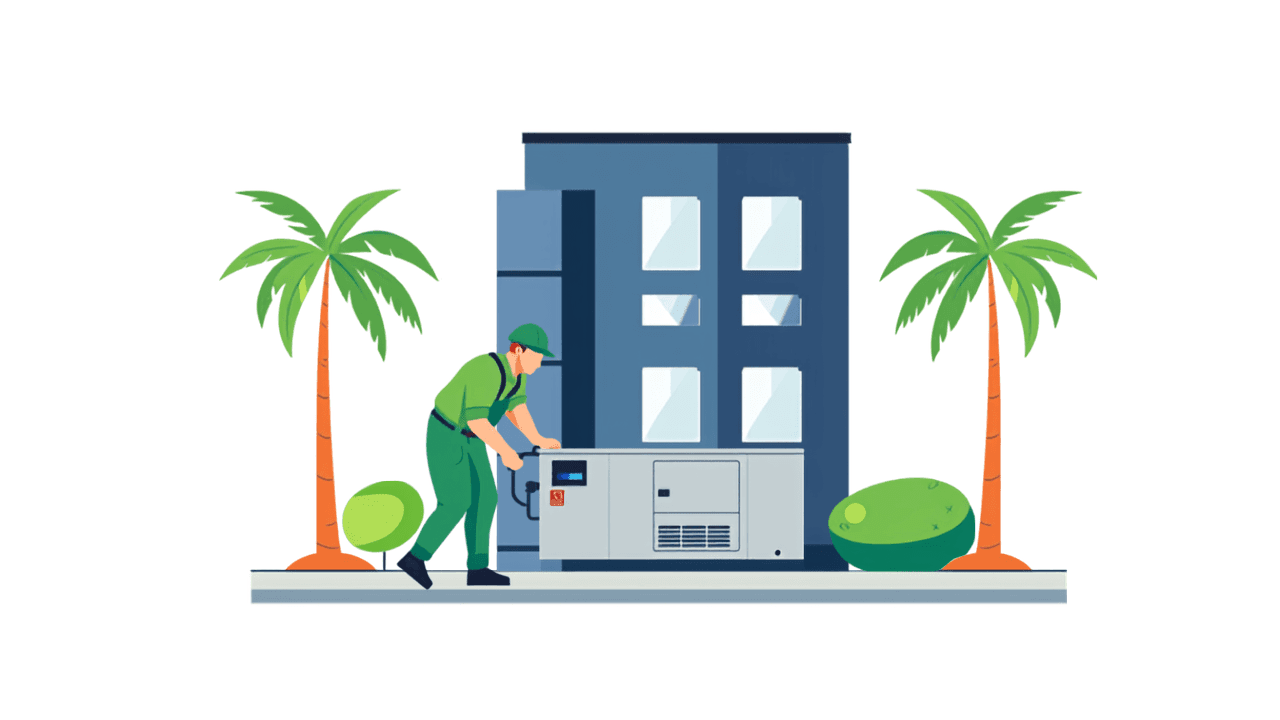

Backup generators have gone from a luxury amenity to near-essential infrastructure for Florida HOA and condo communities. Recent storm seasons drove the change. Extended outages left residents without air conditioning or elevator service for days. For generator installation and service companies, this shift has created a steady pipeline of community-wide contracts — whole-building standby systems, common-area backup power, and annual maintenance agreements. Winning this work starts with reaching the board members who control the budget, well ahead of the pre-season rush. For the broader hurricane prep playbook, see our guide to winning hurricane prep contracts in Florida.
Why Generator Demand Is Growing Across Florida Communities
After multi-day outages in recent hurricane seasons, many condo boards have changed course. High-rise associations felt it most, since elevators and water pumps depend on electricity. Those boards moved generator installation from a “nice to have” to a funded capital project. Additionally, new state regulations following high-profile power-related emergencies at senior communities have pushed some associations to install backup power for life-safety systems specifically. Consequently, boards that previously never budgeted for a generator are now actively soliciting quotes. Companies that reach out early in the year capture that demand. Otherwise installation and permitting timelines get pushed into storm season itself.
Where the Work Is in HOA and Condo Communities
Common generator-related contracts in Florida communities include:
- Whole-building standby generator installation for high-rise condos
- Common-area backup power for lobbies, elevators, and water pumps
- Fuel supply contracts and tank maintenance for diesel or propane systems
- Annual generator testing, load-bank testing, and maintenance agreements
- Automatic transfer switch installation and electrical panel upgrades
- Emergency generator rental and deployment services during active storms
Notably, larger high-rise projects can involve significant electrical infrastructure work. That includes panel upgrades, dedicated fuel storage, and permitting through local building departments. As a result, the sales cycle runs longer than a typical maintenance contract. Early-year outreach matters even more.
How to Reach the Boards Who Approve Generator Contracts
Generator installation is typically a capital project requiring board approval and sometimes a membership vote, since it involves significant expense and may be funded through a special assessment or reserve draw. Therefore, reach the board treasurer and property manager directly. Do not wait for a request for proposal to trickle down through a management company. That gives you a head start on shaping the project before it goes out to competitive bid. HOA Contact Lists provides verified board member contact information across Florida so you can start that conversation directly.
Furthermore, boards respond well to companies that can walk through the full project lifecycle upfront: permitting timelines, fuel logistics, ongoing maintenance costs, and how the system will actually perform during a multi-day outage. Boards that have lived through a bad outage remember it, and are motivated to avoid repeating the experience.
Positioning Your Company for Multi-Family and Condo Projects
Generator companies that specialize in commercial or multi-family installations have a real advantage when pitching condo boards. Single-home residential specialists do not. The scale, permitting, and electrical requirements are fundamentally different. Highlight experience with high-rise or multi-building projects. Offer a documented annual maintenance and load-bank testing agreement, plus clear fuel logistics planning. Together, those build the confidence boards need before committing to a six-figure capital project.
Start Winning Generator Installation Contracts
Backup power has become a top budget priority for Florida HOA and condo boards heading into every hurricane season. Search verified HOA contacts and start reaching the board members who control this growing category of capital spending.
Frequently Asked Questions
Why are more Florida HOA and condo boards installing backup generators?
Multi-day power outages during recent hurricane seasons left residents without air conditioning, water pumps, and elevator service, pushing many boards to fund generator installation as a capital project rather than treat it as optional.
Who approves generator installation projects at a condo association?
Typically the board, sometimes with a membership vote, since generator installation is usually a significant capital expense funded through reserves or a special assessment. Reaching the board treasurer and property manager directly gives contractors an early role in shaping the project.
What generator work do Florida condo communities need most?
Whole-building standby generator installation, common-area backup power for elevators and water pumps, fuel supply contracts, and annual maintenance or load-bank testing agreements.
How long does a condo generator project typically take?
Longer than a typical maintenance contract, since larger high-rise projects often involve electrical panel upgrades, dedicated fuel storage, and local building department permitting — making early-year outreach especially important.
How can generator companies stand out when pitching to boards?
By specializing in commercial or multi-family installations rather than single-home residential work, and by offering a documented annual maintenance and load-bank testing agreement alongside the initial installation.
Related Articles
- Hurricane Prep Contracts: How to Win Florida HOA & Condo Board Business
- How Electrical Contractors Win HOA and Condo Contracts
- What Florida’s Milestone Inspection Law Means for Contractors
Ready to reach Florida HOA board members directly? Search the Florida HOA database — 209,000+ verified contacts, searchable by county, city, or ZIP code.